
Loading…
The dance, the music, and the culture behind it.
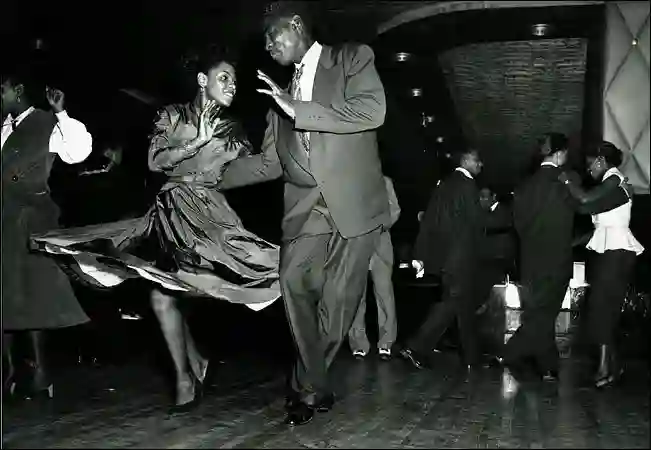
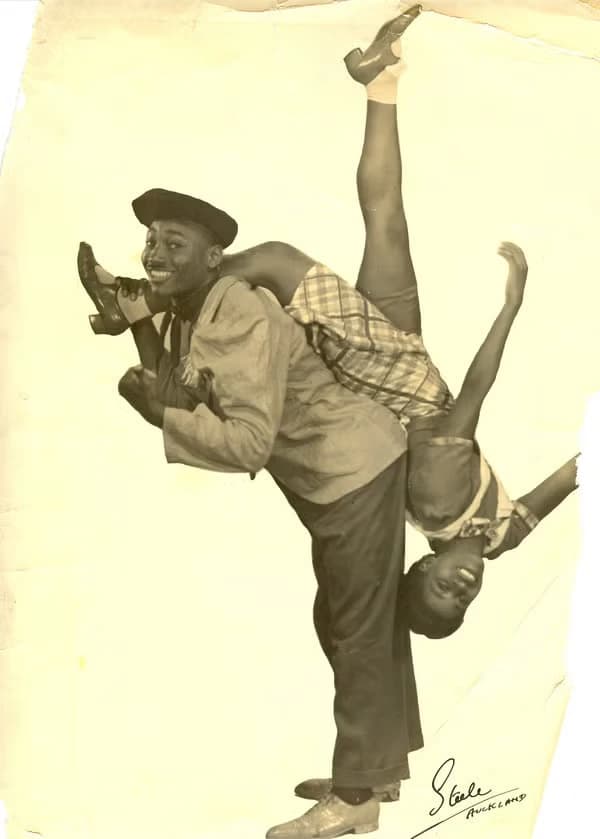
Swing dancing was born in the late 1920s in Harlem, New York, in the African American communities that were dancing to the new sound of jazz.
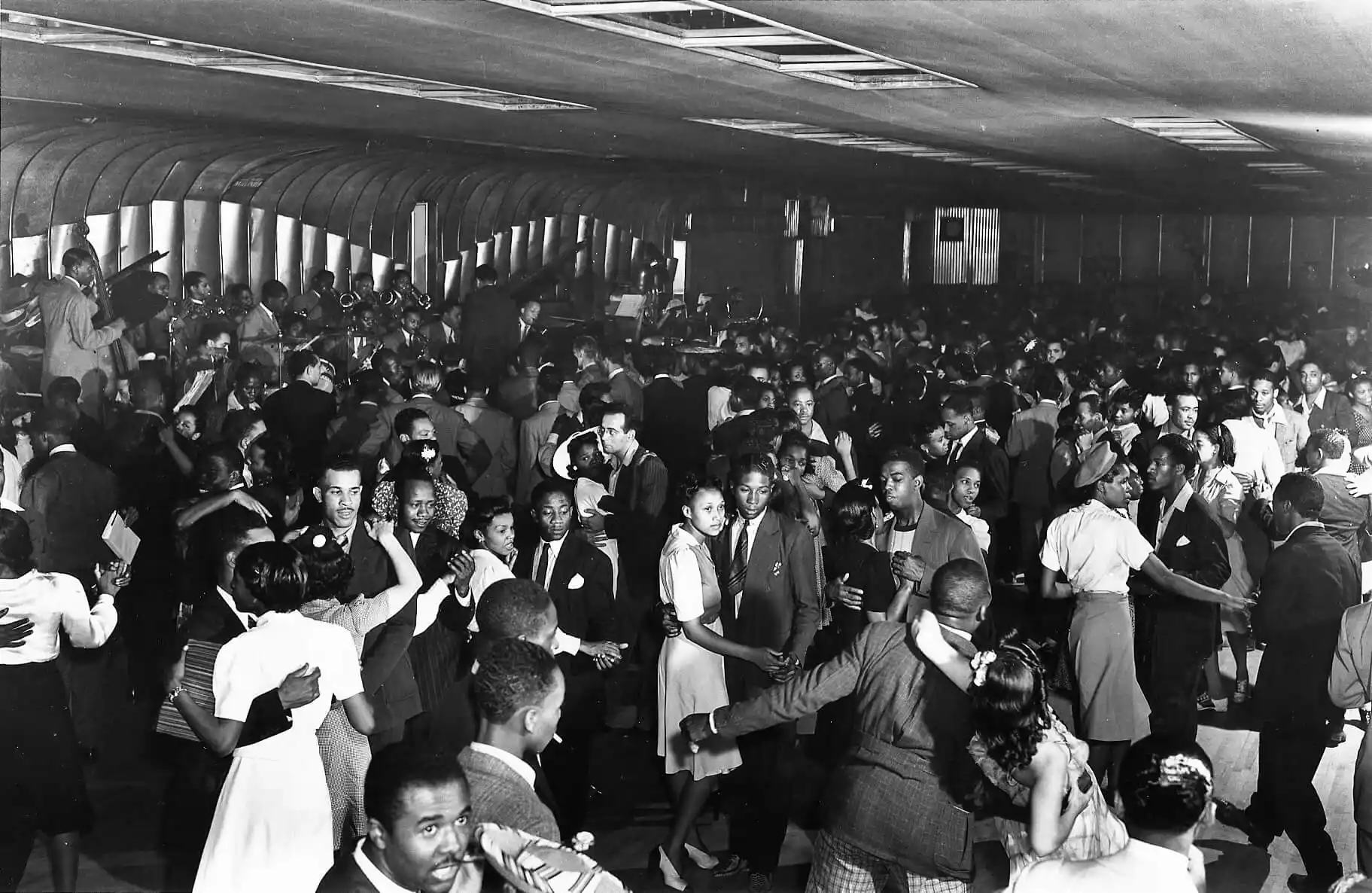
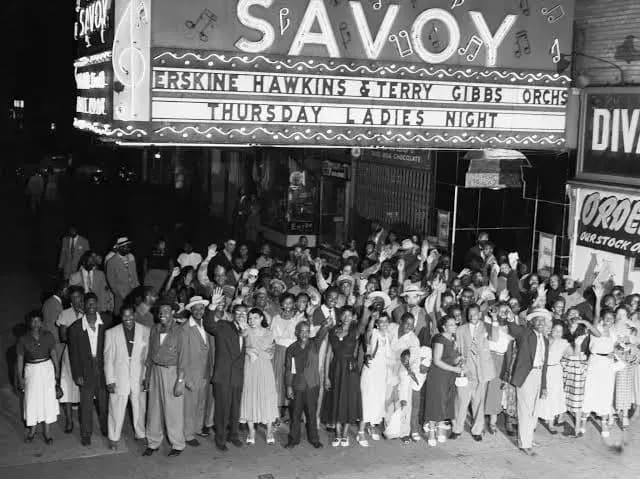
Across the US, Black Americans were kept out of many white-owned clubs and ballrooms. They were let in only to perform Jazz music. So Black communities built their own scenes. Jazz itself grew out of Black musical traditions in New Orleans during the Great Migration. In the ballrooms of Harlem, New York, rent parties, and clubs, Jazz gave rise to new dances that became Lindy Hop. The Savoy stood out by letting Black, white, or any dancers to share the same floor, which was rare at the time.
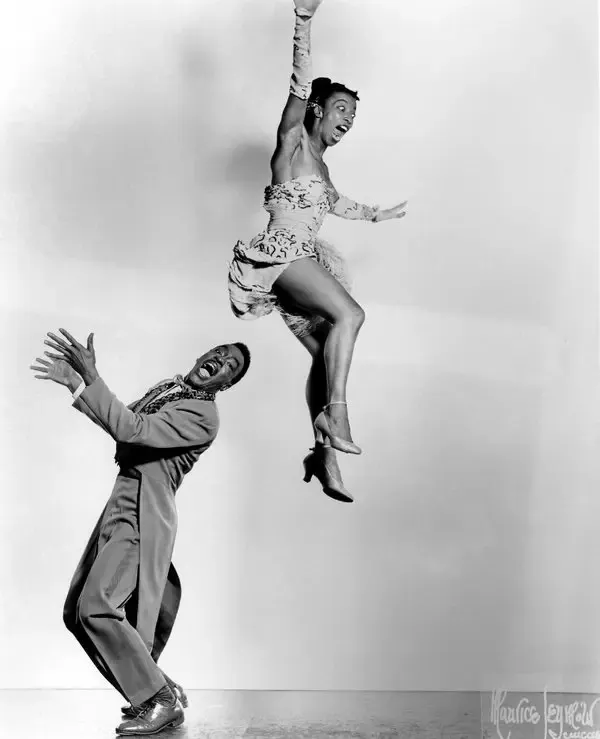
It spread fast. By the 1930s and 40s swing was the popular dance of its time, danced in ballrooms, on film, and at parties around the world. Here's one of the most famous films featuring Lindy Hop.
"Swing" is a family of dances that share the same music and spirit.
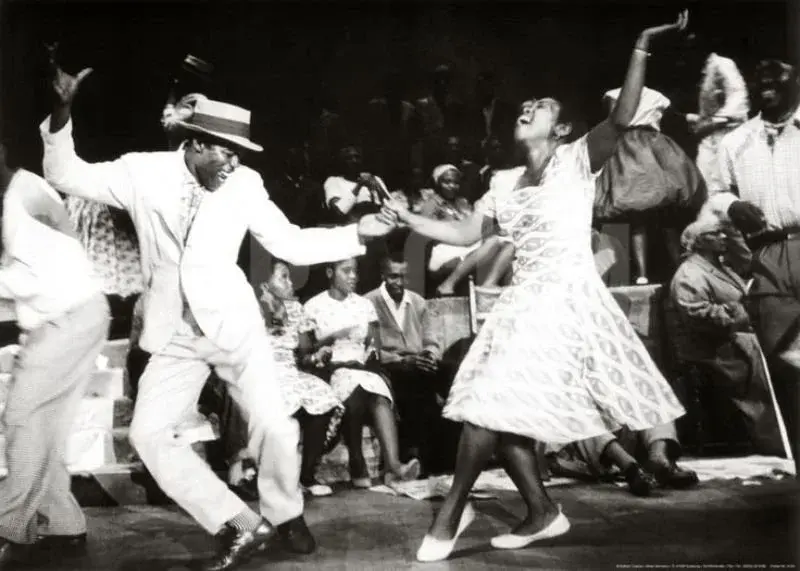
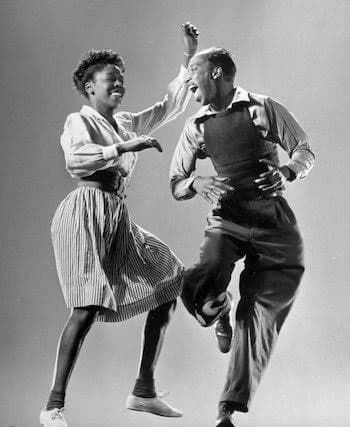
The original partner swing dance from Harlem: energetic, improvised, and built around the swingout.
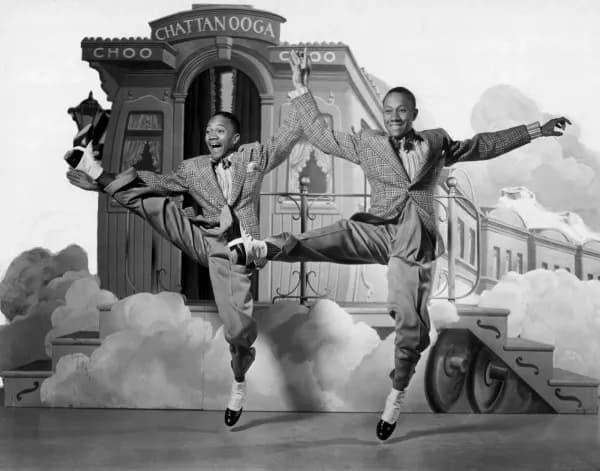
Rhythm and movement on your own, drawn from the jazz steps of the era. Great for musicality and styling.
A percussive dance where metal-plated shoes turn your feet into an instrument, trading rhythms with the jazz band.
A close-embrace dance from Southern California, made for very fast music and small, crowded floors.
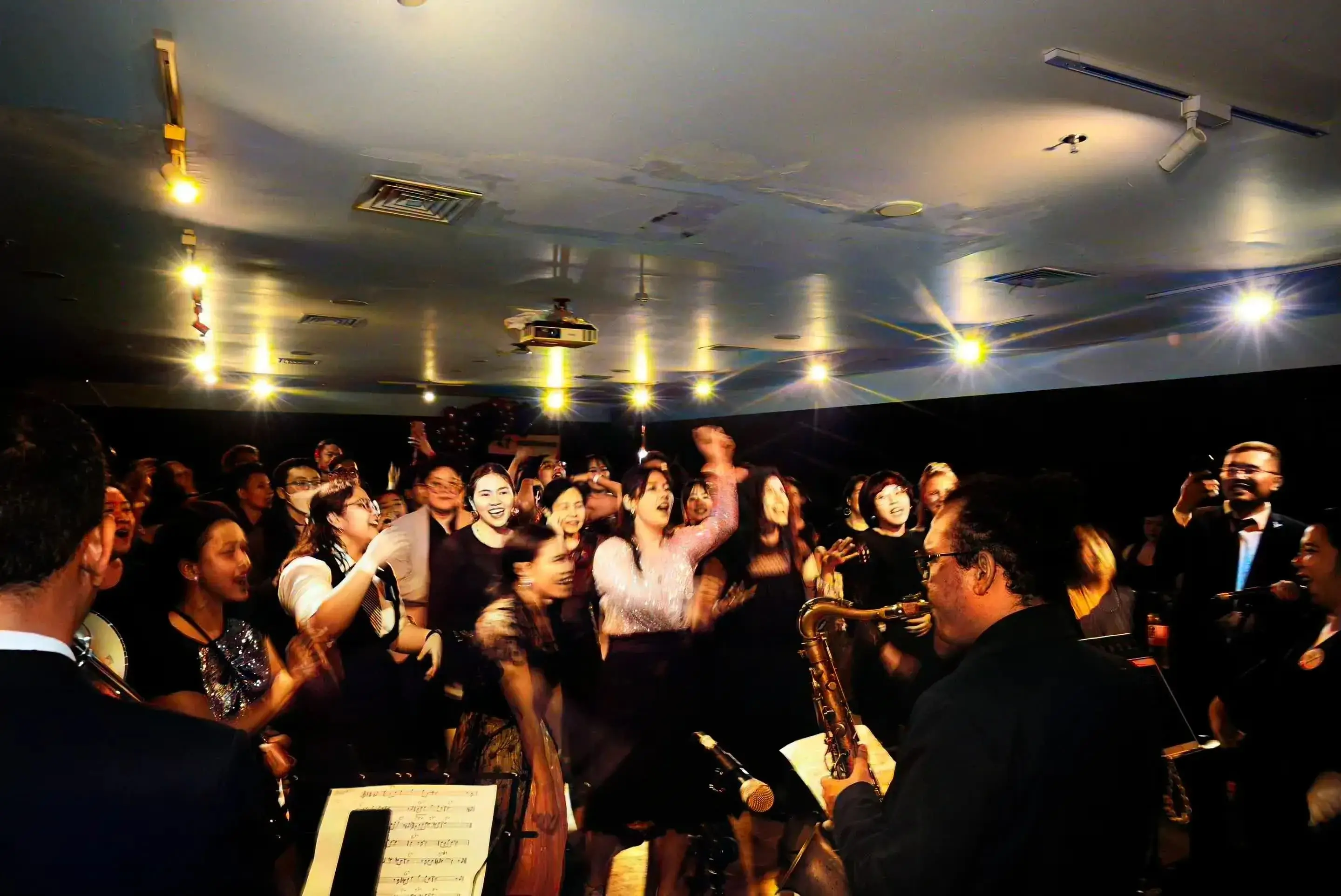
Swing is danced to Swing Jazz music with a bouncy, steady beat that makes you want to move. Think big bands like Count Basie, Chick Webb, and Duke Ellington, or singers like Ella Fitzgerald. Today you'll also hear modern bands playing in the same style, and nothing beats dancing to live music.
By the 1950s swing had faded, and not just because tastes changed. World War II sent many dancers and musicians overseas, and a steep wartime "cabaret tax" on venues with dancing led many clubs to put up "No Dancing" signs. Racism played its part too: in 1943 New York authorities shut the Savoy for months, officially over vice charges, but widely seen as a way to stop Black and white people dancing together. Big bands gave way to bebop and rock and roll, and the Savoy closed for good in 1958.
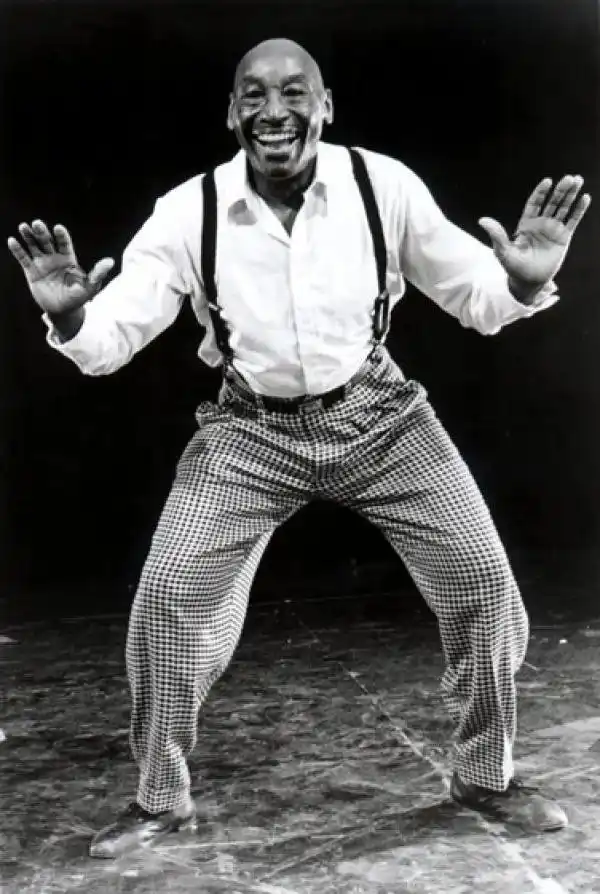
Swing came back in the 1980s when dancers in the US and Sweden sought out the original dancers, including Frankie Manning, a Savoy legend who taught a new generation. Today there are swing scenes all over the world, including right here in Indonesia.
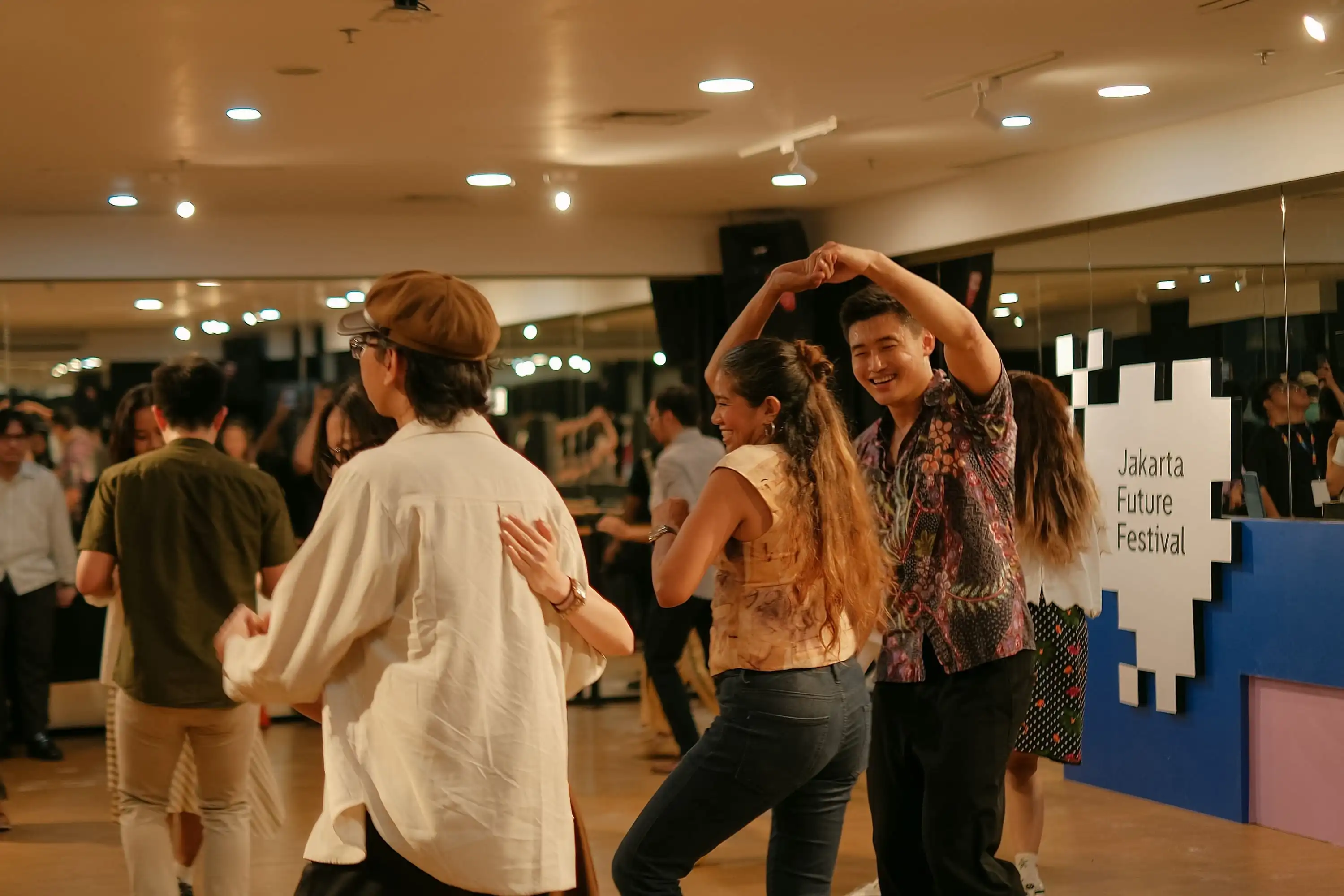
Swing is first of all a social dance. Classes teach you the steps, but socials are where it all comes together.
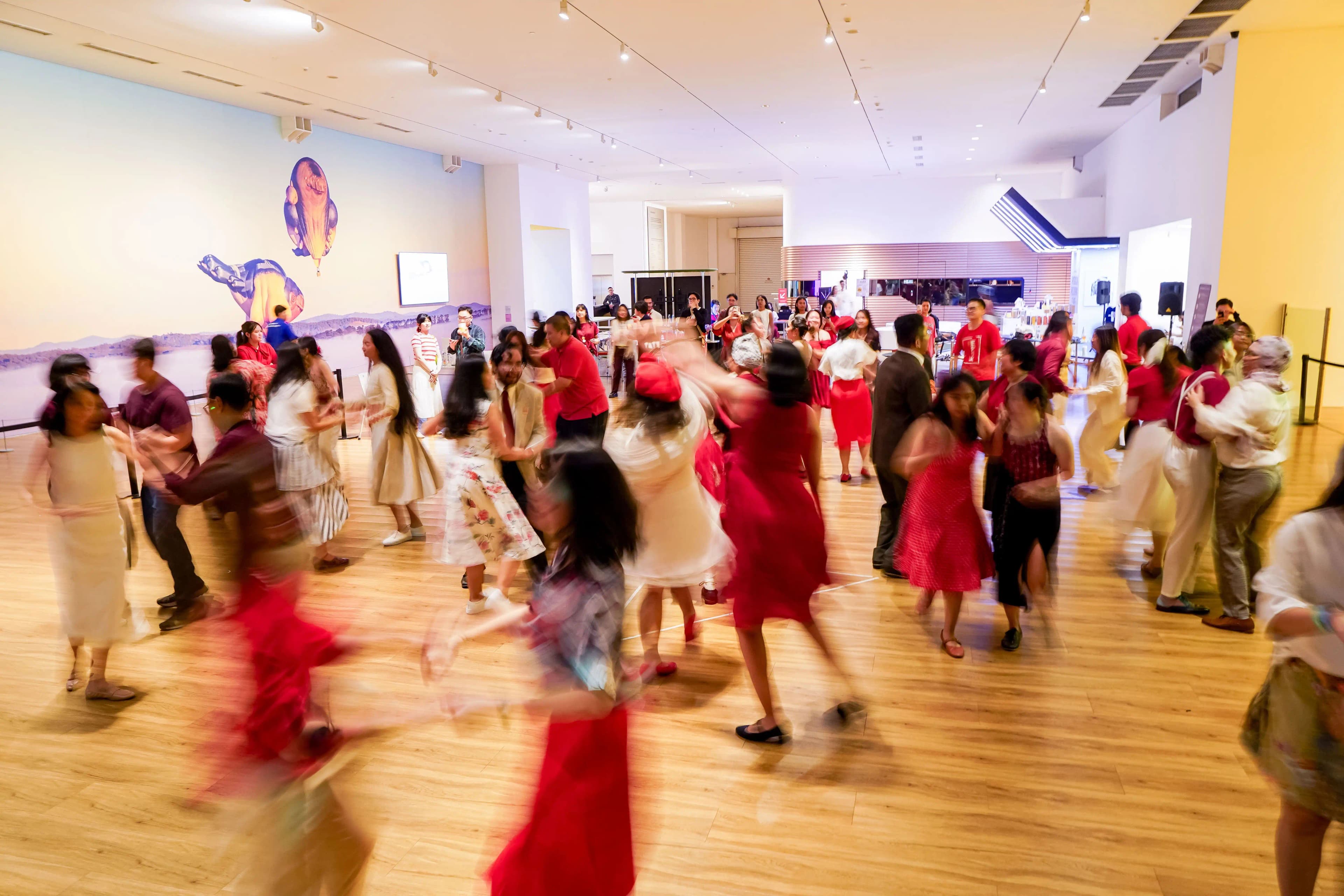
The best way to understand swing is to dance it.